

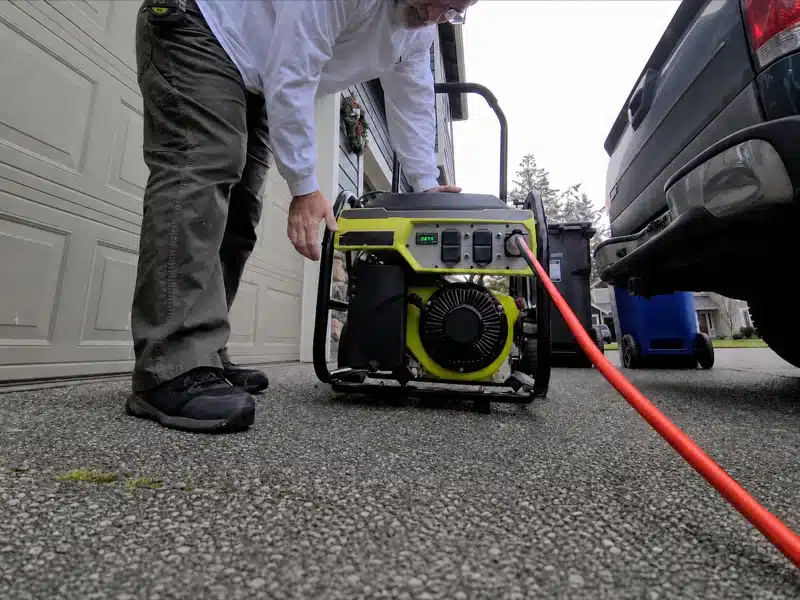
What Is a 6500 Watt Generator?
A 6500 watt generator is a potent, adaptable power plant that can provide a dependable energy supply during a power failure, at a job site or in recreational activities. A 6500 running watt generator offers the perfect combination of power output and portable size to power all your essential household circuits as well as large equipment.
Running Watts vs. Starting Watts.
It’s important to know the difference between running watts and starting watts.
When it comes to performance and a system overload, it’s important to make a difference between running watts and starting watts:
- Running Watts (Rated Power)
The continuous, or running, wattage necessary to maintain the smooth running of devices for longer periods of time. - Starting watts (surge power)
Additional watts required for 2-3 seconds of starting power for motor-driven appliances. - Sumps, well pumps, air conditioners and refrigerators
Most high performance 6500 watt portable generators have 6,500 running watts and 8,000-8,500 starting watts that help the generator start-up without breakers tripping out.
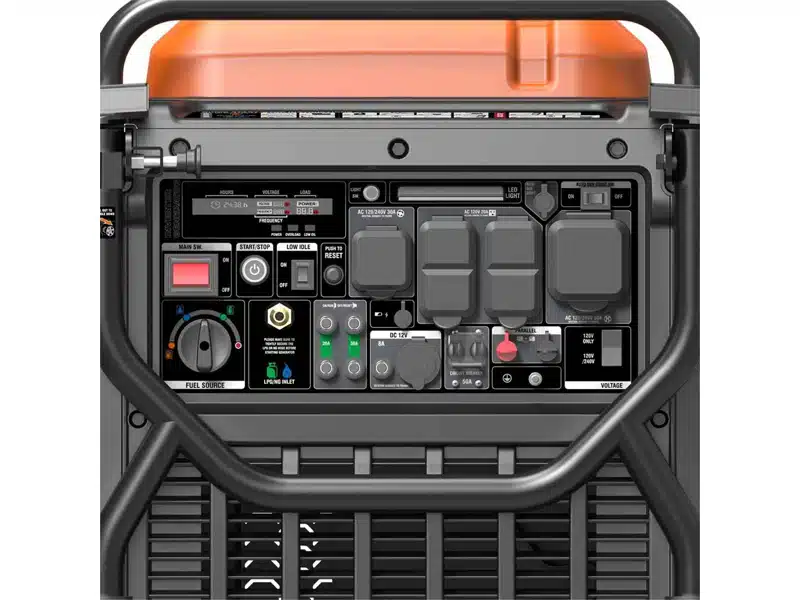
Voltage Configurations and Power Output Options.
Various voltage configurations and power output options are available.
Modern 6500 watt generators are equipped with flexible voltage selector switches and outlet designs to operate with varying power requirements throughout the world:
- 120V Single Voltage: Perfect for household plug-in appliances, power tool chargers, and simple electronics.
- 120V/240V Dual Voltage: Provides high power capacity for manual transfer switches, well pumps and heavy duty job site equipment.
- Twist Lock Outlets (NEMA L14-30R): Secure weatherproof outlet to a home switch panel or power inlet box.
- DC & USB Outlets: In-built outlet for safe charging of sensitive mobile devices, automotive batteries, and portable electronics.
What Can a 6500 Watt Generator Power in Your Home?
The 6500 watt generator is in the sweet spot for emergency power/heavy duty utility. It has ample power to operate vital household appliances at once in the event of a power outage or to power a full crew on a job site without breakers tripping.
Essential Household Appliances for Emergency Home Backup
A 6500 running watt generator is sufficient to power important home systems when the power goes out. It may not be able to run all the high-draw appliances at once in a large home, but it can easily handle the must-use appliances.
| Appliance | Running Watts, Watts | Starting (Surge), | Can It Run Simultaneously? |
|---|---|---|---|
| Refrigerator / Freezer | 700–800 W | 2,200 W | Yes |
| Sump Pump (1/2 HP) | 1,050 W | 2,150 W | Yes |
| Furnace Blower Fan | 800 W | 2,300 W | Yes (Will run a furnace easily) |
| Window AC (12,000 BTU) | 1,200 W | 3,250 W | Yes |
| Central Air (3-Ton) | 3,000–3,500 W | 6,000 W | Conditional (Requires managing other loads) |
| Microwave Oven | 1,000 W | 1,500 W | Yes |
| LED Lights & TV | 150–300 W | 0 W | Yes |
- Whole-House Backup: These can be used to power 4 to 6 critical circuits through a transfer switch, which includes security systems, refrigeration, lights and heat.
- It will easily operate a furnace blower and standard window air conditioners. The tonnage of the unit and whether or not a soft start kit is installed affect running central air.
Heavy-duty tools for job sites and commercial work.
Heavy duty tools for job sites and commercial work.
Our 6500 watt generators are high inductive power and can start electric motors and equipment under heavy load conditions, perfect for contractors or job sites.
- 10″ Table Saw: 1,800 W running / 4,500 W starting
- Air Compressor (1.5 HP): 1,600 W running / 4,000 W starting
- 15-Amp Circular Saw: 1,800 W running / 2,300 W starting
- Inverter Welder (120V/240V): 3,000–5,000 W running
- Commercial Work Lights & Battery Chargers: 200-800 W total
How many Amps will a 6500 watt generator run?
Amperage is dependent on either 120 volt power outlets or a 240 volt twist lock receptacle.
| Voltage Output | Continuous Amps (6500W) | Peak / Surge Amps (~8125W) | Typical Outlet Type |
|---|---|---|---|
| 120V | 54.2 Amps | 67.7 Amps | NEMA 5-20R / L5-30R |
| 240V | 27.1 Amps | 33.8 Amps | NEMA L14-30R (4-prong) |
- At 120V you get about 54 Amps which can be distributed over several 20 amp household circuits.
- The output is approximately 27 Amps at 240V, suitable for direct feed to a home generator transfer switch or for heavy 240V equipment.
How to Calculate Your Total Wattage Requirements
Avoid overloading trips by adding up the wattage before connecting equipment.
Continuous Load List: Make a list of the running watts for all the items you will need on at the same time.
Identify Highest Surge Load: Determine one of the highest wattage, motor powered devices (such as a sump pump or AC).
Apply the Formula:
The Total Capacity Needed is equal to the sum of all running watts plus the largest single starting wattage.
- Keep Margin: To extend the life of the engine and to provide maximum fuel efficiency, stick to 80% of total capacity (~5,200 watts) and not run continuously at the same time.
6500 Watt Inverter Generator vs. 6500 Watt Portable Generator
The 6500 Watt Inverter Generator and 6500 Watt Portable Generator are both powerful models.
Finally, a decision on the power source is dependent on availability of fuel, noise level desired, and the electronics you intend to operate. Our 6500 watt models are designed to provide 3 different engine and power delivery combinations to meet your performance needs.
Conventional Gasoline Portable Generators
A 6500-watt gas generator is the standard power, which starts with minimum investment. They’re hardy machines that utilize the old school open frame combustion engines, and make for good old work horses at construction sites, farms or even as a basic home backup.
- High starting capacity: Copes well with heavy inductive loads such as air compressors and well pumps.
- Cost effective: Provides the most watts for your dollar of any model.
- Simple Operation: Low Maintenance Mechanical designs that can be serviced anywhere.
Dual-Fuel (Gasoline and Propane) Models are available.
Dual Fuel (Gasoline and Propane) options are available.
A dual fuel 6500 watt generator operates on standard gasoline or clean burning liquid propane (LPG). This is particularly important when a power outage occurs for an extended period of time, and local gas stations may not have power.
- Indefinite fuel storage: Propane will not deteriorate over time or gum carburetors when stored for extended periods of time.
- Cleaner emissions: Propane is a cleaner fuel than gasoline, meaning that it’s gentler on the engine and it leaves less carbon deposits.
- Instant switching: Fuel selectors for easy switching between fuel sources according to local supply.
Open-Frame vs. Quiet Inverter Generators
The main difference between standard units and a 6500 watt inverter generator is when it comes to power quality and noise control. Modern appliances, medical equipment and laptops use sensitive microprocessors that are protected by the clean sine-wave electricity that is generated by inverters which have a Total Harmonic Distortion (THD) rating of less than 3%.
| Power Output Quality | Standard utility grade | Clean sine wave (THD < 3%) |
| Noise Output | High (72 – 78 dBA) | Low (58 – 64 dBA) |
| Fuel Economy | Runs at fixed high RPM | Auto-throttles to match load demand |
| Best Application | Heavy tools & basic backup | sensitive home electronics & RVs |
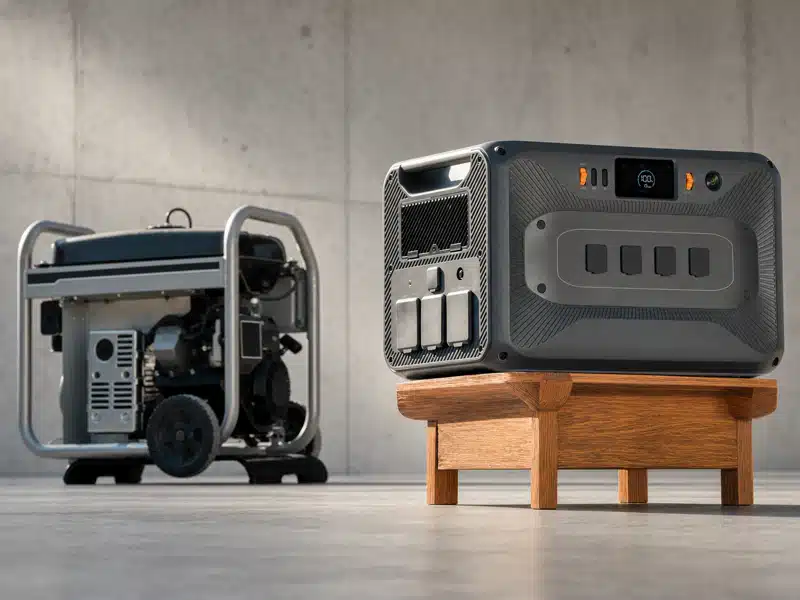
A quiet 6500 watt generator offers much more fuel economy and quiet performance, and is the perfect generator for residential emergency power.
How to Choose a Best 6500 Watts Portable Generator for Home Use
Choosing the right portable generator for home use, 6500 watts, is no easy task.
Ultimately, the choice of the best 6500 watt generator depends on the individual’s needs and preferences when it comes to emergency power generation. These power units are manufactured and tested to provide reliable performance in the event of a severe power failure; however, selecting the appropriate features will provide an easy and seamless way to provide backup power for your home.
Fuel Tank Capacity and Continuous Runtime.
The time your generator will operate will determine how often you must stop and refuel during an emergency. Fuel consumption of the 6500 watt generator will vary based on the load of the engine and the type of fuel used.
| Fuel Type | Fuel Capacity | Operating Load | Expected Runtime | Average Fuel Consumption |
|---|---|---|---|---|
| Gasoline | 6.5 Gallons | 50% Load | 9 – 11 Hours | ~0.6 Gal/Hour |
| Gasoline | 6.5 Gallons | 100% Load | 5 – 6 Hours | ~1.1 Gal/Hour |
| Propane (LPG) | 20 lb Tank | 50% Load | 6 – 8 Hours | ~2.5 lbs/Hour |
A bigger fuel tank means a longer overall running time (6500 watts) and that you can use critical home appliances all night long without having to stop to add gas.
Portability features, weight and wheel kits.
A typical portable generator is 150 to 220 lbs for a 6500 watt model with a dry start. In order to move a unit of this size, you need a sturdy, well-constructed unit:
- Never-Flat Tires: Solid wheels with diameters of 8 to 10 inches can handle rough terrain, mud and gravel without risking punctures.
- High leverage, drop down handles cut push effort in half and fold up for easy garage storage.
- Electric Start Systems: A 6500 watt electric start generator eliminates difficult manual pulls in cold weather with a sealed battery.
- Steel Cage Protection: Accidental impacts are defended with a 1.25-inch heavy duty steel tube frame that protects key engine components.
Decibel Ratings and Noise Reduction Technology
Operating sound levels directly affect residential comfort and local noise rules.The design of the frame and sound engineering are both critical factors in finding a quiet 6500 watt generator.
- Featuring sound-dampening enclosures, isolated engine mounts and smart throttle control. The 6500 watt inverter generator automatically adjusts engine RPM to decrease sound to normal conversational levels when power demand decreases.
- Open-Frame Generators (68 – 74 dBA): Use oversized muffler and rubber vibration dampeners. They are louder than enclosed units, but have a high peak power output and lower equipment weight and cost.
Buying vs. Renting a 6500 Watt Generator
Choosing to buy or hire a 6500 watt generator depends on your usage, the cost, and your need for emergency preparations.
When to Invest in Owning a Unit
If you want the convenience and security of a portable generator, then consider purchasing a 6500 watt model for your own use, particularly for home backup power or for regular jobsite power needs.
- Immediate Emergency Preparedness: Severe storms and grid failures occur without warning. With a 6500 watt generator for house as backup, your important appliances can be run immediately.
- High rental rates add up quickly. If you need temporary power for more than 5-7 days of usage over a few years, then it’s much more cost effective to buy a unit.
- Owned units provide seamless home integration, with the ability to install a dedicated transfer switch for home hookups that are safe, quick and easy.
When Short-Term Equipment Rental Makes Sense
A 6500 watt generator is best suited for temporary power needs, where they do not need to be owned and maintained.
- Single-Event Demands: Perfect for a weekend DIY project, outdoor commercial events, and short-term construction projects where heavy-duty power is needed.
- Zero Maintenance and Storage: No worries about off-season storage, changing engine oil or garage space for rental equipment.
Since renting allows you to test certain features before you commit to buying, you can also test out specific features, like a quiet 6500 watt generator or a 6500 watts dual fuel generator.
If you own a 6500 watt generator, these are some tips that can help you keep it in good condition.
Here are some essential tips for maintaining a 6500 watt generator.
With the proper maintenance, your 6500 watt generator can provide maximum power, fuel efficiency and clean power during any outage or off-grid application.
Transfer Switches and Heavy-Duty Extension Cords
A transfer switch and a heavy duty extension cord are needed.
When setting up a 6500 watt portable generator, it is essential to use the proper equipment to safeguard your home’s electrical appliances and utility line workers.
- The safest method of connecting a house backup generator is to install a 30 amp manual transfer switch. This blocks backfeeding to power lines and allows you to operate hardwired systems, such as furnaces or well pumps from your breaker panel.
- Heavy-Duty Extension Cords: If using extension cords outdoors, be sure to use the 10 gauge (10 AWG) grounded extension cords rated for 30 amps. On heavier loads, thinner 14-gauge cords experience voltage drops, overheating and even motor burnout.
- Safe Placement: Use the unit outside at least 20 feet away from doors and windows to avoid CO fumes.
Routine Engine Care and Oil Maintenance
Oil and filter maintenance cycles are crucial to engine longevity.
Change oil completely to remove initial metal wear particles.
| Oil Level Check – | Check oil level before each start; keep topped off with high quality 10W-30 or 5W-30 synthetic oil. |
| Oil Change | Change every 50-100 hours, drain when hot to remove sludge and lubricate internal parts. |
| Spark Plug & Air Filter | Inspect & clean air filter element or clean/swap spark plug every 100 hours/yearly. |
Additionally, Proper Fuel Storage and Off-Season Storage Practices.
More than 80% of engine start failures are a result of stale fuel in any 6500 watt gas generator.
- Add Fuel Stabilizer: Gasoline deteriorates after 30 days without fuel stabilizer, resulting in clogged carburetor jets. Add a good stabilizer to new gas to keep it stable for up to a year.
- Before storing your 6500 watt dual fuel generator or standard gas generator for over 60 days, run the carburetor dry, or open the float bowl drain bolt.
- Run your generator for 15 to 20 minutes a month with a light electrical load. This helps to lubricate internal seals, recharge the battery on 6500 watt generator with electric start models and keep your system in tip top condition for instant emergency use.
FAQs
What should I consider when choosing a 6500 watt generator?
A 6,500-watt generator is a popular size because it can typically power most essential household items during an outage, while still being portable enough for job sites, RVs, or camping. The right one depends on what you plan to power.
What will a 6500 watt generator run?
A 6,500-watt generator can run multiple household essentials at the same time—such as a refrigerator, sump pump, lights, Wi-Fi router, and a small window air conditioner or select power tools.
What can I power with a 6500 watt generator?
A 6,500-watt generator (which typically provides around 6,500 running watts and a higher surge/starting wattage usually between 7,500 and 8,125 watts) is a versatile mid-tier power source. It can comfortably run a combination of major household appliances, medical devices, or heavy-duty tools during an outage or on a job site— just not all at the same time.
What should I consider when choosing a 6500 watt generator?
Choosing a 6500-watt generator requires balancing your power needs, safety requirements, and operational preferences. A 6500W unit is a popular mid-range choice for backup home power, job sites, or large RVs.
How does a 6500 watt generator compare to smaller models?
A 6500-watt generator sits in the upper mid-range of portable generators, while “smaller” models are usually in the 1000–3000W (small) and 3000–4000W (medium) classes. The jump to 6500W is more than just extra numbers—it changes what you can realistically power at the same time.
