

There is nothing more off-putting on a backcountry trip than a noisy and unreliable power source that spooks the game.
When searching for the best hunting generator, you need a set-up that is stealthy, portable, and produces the most watts.
So in this guide, you will discover how to choose the right portable power station or quiet inverter generator to power your off-the-grid adventures.
Let's get started.
The reason why a hunter needs a hunting generator is because of the fact that they have to travel to different locations in order to hunt.
We have all witnessed the way that the modern hunting camp has developed. Gone are the days of just a flickering lantern and a freezing canvas tent. Today, we're off into the backcountry with high-tech equipment, GPS units, electric meat saws, cell phone boosters and portable fridges. A typical back-up box from a hardware store isn't going to work here while maintaining all of this without scaring off the wildlife. A generator specifically made for hunting is required.
The range of camp activities and equipment has shifted from lanterns to powered camps.
The transition to powered camps is not a luxury, it's an efficiency and time saving move in the field. When you're miles away from the nearest power grid, it's as important as managing your water source to manage your energy source. A specialized hunting camp generator can fill the gap between outdoor wilderness and the modern conveniences that ensure your safety, warmth and connectivity.
The True meaning of a Hunting Generator
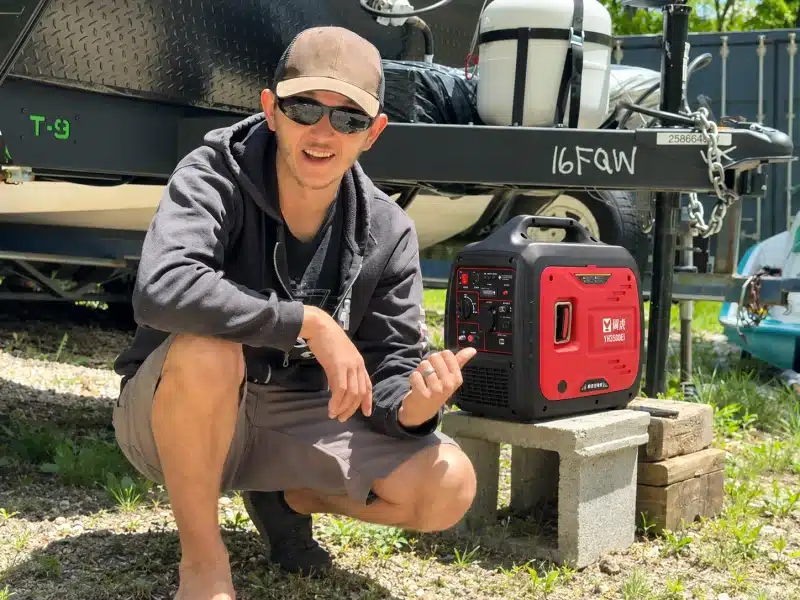
There are three pillars for a true hunting generator:
- Stealth Performance: Ultra-low noise frequencies that blend into the background.
- True Portability: Small sizes for easy loading on the truck or ATV.
- Clean Power Output: The voltage that is necessary to safely charge sensitive hunting equipment such as thermals and radios.
Stakes in the Field
When you're out of the ring, the stakes are very high! Having a power failure in sub zero weather temperatures is not just an inconvenience, it can destroy an entire season.
| Hunting Challenge | The Impact of Standard Generators | The Hunting Generator Solution |
|---|---|---|
| Game Spooking | Loud, metallic engine clatter drives wildlife miles away. | Quiet Inverter Generator for hunting cabin or camp. |
| Cold Starts | Cheap engines freeze up and don't pull-start at 4 AM. | High quality, cold weather specific carburetors & chokes. |
| Expensive optics are ruined by Fried Gear | Total harmonic distortion (THD). | Safe, continuous charging with Pure sine wave technology. |
This guide will help you to:
That's why we designed this guide to help you distinguish between the marketing hype and figure out what your actual power requirements are. From elk camp portable generators to reliable options for a remote deer camp, to commercial fleet solutions for outfitters, we've got your needs covered. Let's take a look at what makes a powerhouse truly field-ready.
Important Points to Consider When Selecting a Generator for Hunting
As we make a trek out into the backcountry, we don't simply just reach for any backup power source and hope for the best. Requirements outdoors are very critical to the hunting generator, as a generator should not ruin the hunting trip. To make a decision, it's important to know what are the primary things to know before buying a generator for remote situations that will save you from critical equipment failures.
These are some of the things we don't compromise on our units that gives them their best performance in the wild:
- Noise Level and Stealth: Game will be spooked for miles if the motor is loud. Quite simply, a quiet hunting generator must be insulated and fully enclosed to minimize the noise to a whisper.
- Portability/Form Factor: There is limited space in the truck or ATV. Lightweight, compact, and ergonomic designs with handles are crucial in navigating rough terrain.
- Fuel Type and Runtime: Remote camps need optimum fuel economy. Using a good dual fuel hunting generator, you can switch between gasoline and propane, giving you greater off grid capabilities.
- Power Quality: Modern hunters come with GPS units, cell phones, and drone batteries. These are sensitive electronics which require pure sine wave power to charge them without risk of damage.
- Cold-Weather Performance: A remote elk or deer camp gets cold very quickly. The engine must have a good cold-starting system so that it can start up quickly in cold weather.
- Safety and Emissions: Spark arrestors and low emission certifications provide the safety of the campsite from fire hazards, and comply with strict forestry regulations.
What is the True Power of a Hunting Camp?
When determining the proper size of the generator for hunting camp applications, it is a matter of simple math, not guesswork. Underestimate and your equipment fails; overestimate and you're wasting fuel and bringing excess weight in the woods.
Step 1: Make a list of Camp Essentials
Make a list of everything you want to run. A typical off grid hunting generator configuration will be used for a combination of creature comforts, and processing equipment: LED camp lights, cell phone chargers, electric blankets or space heaters, chest freezers (essential for storing meat at a hunting location that is off the grid), coffee makers, hot plates, etc.
Step 2: Running watts to Starting (Surge) watts
There are two power numbers you need to consider:
- Running (Rated) Watts: Continuous power required to operate a device.
- The term used for the additional power needed for a motor to start, or for a few seconds to get it moving.
High starting watts appliances, such as chest freezers or refrigerators. To determine your total load, simply add the highest starting wattage item on your list to the total running watts of the rest of the items. To give a better understanding of how appliance wattages equate to power requirements, it's helpful to know how many watt generators are required for a house or large cabins.
Wattage Calculations for Typical Hunting Setups: Step 3.
Estimated Power Required: Typical hunting gear 1,000-2,000W, minimalist spike camp 1,000-2,000W, standard deer camp / RV 2,200-3,500W, large elk camp / wall tent 4,000+W.
A suggested generator size range for Hunters is provided.
A 2,000 to 3,500-watt inverter generator is in the sweet spot for a versatile portable generator for elk camp or a reliable best generator for deer camp. It has enough power to power through a freezer surge but won't weigh down if you need to pack it in the backcountry.
Why Oversizing or Undersizing is a Problem
- Undersizing: Running your unit constantly at capacity trips circuit breakers, can cause damage to sensitive hunting electronics and can even shorten the life span of your appliances.
- Oversizing: A large generator wastes fuel, scares off game, and sits unnecessarily in your truck/ATV. Getting it right ensures your camp is efficient, quiet and fully powered.
The Differences of Hunting Use Generators
Knowing how the various technologies compare in the backcountry is key in selecting the best hunting generator. There are various advantages and disadvantages to different power sources with respect to noise, weight and fuel availability.
Open-Frame Conventional Generators
The Good: Good power output at an affordable price.
The Bad: Very loud and cumbersome.
The Verdict: These units will chase away any game animal for a mile. If you don't want to hear a generator running while you are hunting, avoid them unless you are off powering a far off permanent building.
Inverter Generators
The Good: Ultra quiet, super fuel-efficient and easy to carry.
The Bad: More initial expense.
The Verdict: The ultimate in a portable for elk camp or inverter generator for hunting cabin use. They adjust their speed up and down as the demand dictates, thus conserving fuel and keeping noise to an absolute minimum. We are a leading portable generator company and we specially design our generators to provide clean and stable power for the forest without warning the whole forest.
Solar Generators and Portable Power Stations.
The Good: Totally silent and emission free.
The Bad: Small storage capacity, and only recharges with sunlight.
Verdict: They are good for small electronic equipment in a tent, but are not powerful enough to operate heaters, hot plates, or power tools at a serious remote hunting camp.
Dual Fuel Units and Propane Ready Units.
Good: Runs on regular petrol as well as liquid propane (LPG).
The Bad: Some more complicated parts to keep in check.
The Verdict: A high quality dual fuel hunting generator will offer you unparalleled flexibility. These burn propane, which is cleaner, has less odor, and will store indefinitely, making them very dependable for hunting trips off-grid where fuel lines are not close.
Quick Comparison Table
| Type | Noise Level | Portability | Best Use Case |
|---|---|---|---|
| Conventional Open-Frame | High | Low | Main base lodges / high load |
| Inverter Generator | Very Low | High | Mobile camps and sensitive electronics |
| Solar Power Station | Silent | Medium | Device charging and light use |
| Dual-Fuel Unit | Low | Medium | Long-term remote hunting trips |
Controlling Hunting Generator noise to avoid spooking game
Out in the backcountry, there's nothing worse than a noisy engine spoiling your hunt. Game animals have super-hearing and a quiet generator for hunting is essential to a successful hunt! You can make sure that your camp is quiet without waking up the whole ridge!
Practical Noise Benchmarks
Decibels (dBA) are used to measure sound. When setting up a remote hunting camp power system, each decibel counts.
| Noise Level (dBA) | Comparison | Impact on Game |
|---|---|---|
| 50 - 55 dBA | Normal conversation / Quiet stream | Safe; blends into natural background noise |
| 60 - 65 dBA | Background music / Restaurant chatter | Risk of spooking nearby wildlife |
| 70+ dBA | Standard open-frame generator | Will clear out game for miles around |
Placement Strategies to Reduce Perceived Noise
Setting up your portable generator at elk camp can either significantly reduce or increase sound travel, depending on how and where you set it up:
- Distance is Your Friend: Set the unit at least 20 to 30 feet away from sleeping quarters and perimeter of camp.
- Use of Natural Barriers: Face the exhaust away from your hunting area using dirt berms, rocks or dense brush to absorb sound waves.
- Deflection Angles: Do not put the generator on bare timber decks or rocky ledges that can amplify vibration. Instead use dampening mats or soft ground.
Technical Functions that Minimize Noise
Today's engineering makes hunting camps stealthy. Completely enclosed insulated casings, special mufflers and intelligent eco mode for automatic engine speed reduction when power demand is low are the key elements to True Silent generator for camping and hunting performance.
All the units at PEGASO GENERATOR are constructed with double walled sound deadened enclosures and rubber vibration-isolation feet. Whether you're providing power at a best generator for deer camp or maintaining a big hunting lodge, our designs supply reduced sound output and allow you focus on the hunt. It is important that your gear is reliable, as well as stealthy, to ensure you can experience remote reliability before you set off into the wilderness, and the best way to ensure this is the case is to maintain your equipment properly—knowing how often to start the portable generator is important.
Energy Options at Far Away Hunting Camps
Whether you are hiking miles backcountry, the right fuel to use in your hunting generator can be the difference of a trip made or a trip lost. A good power supply is required to withstand freezing weather and be able to provide power to the lights, with minimal refilling.
Gasoline or Propane (LPG) When it comes to Hunting Generators?
Gasoline can be easily found and it provides great power production, so it is commonly used in a remote hunting camp power system. But, over time gas can get stale and the powerful aroma can startle game.
Propane (LPG), however, is an amazing solution as an alternative to an off grid hunting generator. It is burned with significantly less odour and burns much more clean, and has infinite storage life without degradation. It's also very good for cold weather with no gumming up the carburetor.
| Fuel | Pros | Cons | Best For |
|---|---|---|---|
| Gasoline | High energy density and is readily available everywhere | Short shelf life, has a greater odour, gums engines | High power demanding appliances, short trips |
| Propane | Clean burning, indefinite shelf life, lower odour | Slightly lower power output, heavy tanks | Long term storage, freezing weather, stealth hunting |
Dual Fuel is an advantage in the field.
A dual fuel hunting generator is the best competitive advantage you can get in the field. Gas/propane flexible – can switch from gas to propane. In the middle of the night when your primary gas tank is empty, you can easily connect a standard RV propane to ensure your portable generator operates without a problem when you're at elk camp.
Fuel efficiency and runtime =
In order to make the most of your fuel supply, you have to maximize your runtimes. Smart eco-modes are used to automatically reduce the engine speed according to your power consumption in modern inverter systems. This makes for a tremendous difference in fuel economy, allowing you to use a single tank all night long to fuel your meat freezers, battery chargers and camp lights.
PEGASO GENERATOR's compatibility with various fuel strategies.
Our units at PEGASO are designed to meet these varied field requirements. As a professional manufacturer, we have dual-fuel options so hunters can easily change fuel sources with a turn of a dial. Our engines are designed to get the most out of your fuel, so you can enjoy longer runtimes and cleaner emissions while you're out looking for game.
Using Sensitive Hunting Electronics Safely
Today's hunting camps are no longer simply canvas tents and wood stoves. We have cutting-edge equipment such as GPS, satellite communication devices, drones, thermal optics and smart phones. The microprocessors are very sensitive to voltage fluctuations in these devices. In the backcountry, they're just as likely to fry your most expensive gear when you need it most if you tie them into a run-of-the-mill, low-grade generator.
So what is Pure Sine Wave Power?
Open frame generators are "dirty" power, meaning that they cause high Total Harmonic Distortion (THD). This choppy electric wave result in overheating and malfunction of digital equipment. The only way to keep your electronics safe is with pure sine wave power. The clean, smooth electrical current is the same as the utility grid power supply you receive at home, so your devices charge safely and operate efficiently.
Risk of Using Non-Inverter Generators for Electronics
A standard non-inverter generator is a risky proposition for a contemporary hunting camp set up. The constant voltage spikes and drops can cause:
- Data corruption on hunting GPS and mapping devices.
- Damage to costly thermal imaging equipment due to permanent damage to the motherboard.
- Low efficiency, flickering charging cycles that shorten lithium batteries over time.
PEGASO Pure Sine Wave Inverter Technology
Our line of inverter generators has been developed to eliminate these field risks. As a pure manufacturer, we will make sure to use advanced digital inverters that limit THD to less than 3%. So you can charge anything from a fragile drone battery to your laptop without a worry in the world with this ultra-clean power supply. PEGASO provides the stable and reliable power necessary to power hunting critical electronics, when you are miles off the grid.
Reliability, durability and cold weather performance.
Extreme conditions that hunters encounter:
Out in the back country miles and miles from the road, the weather can change in an instant. A good hunting generator should be able to weather freezing rain, heavy snow and low temperatures. When you are out in the middle of a hunting camp, equipment failure is not a trivial matter, it's a matter of life and death.
Quality of Engine & Alternator.
Our units are designed from scratch to withstand the harsh outdoor environment.
- Commercial-Grade Engines: These are optimized for durability and sustained performance under load conditions.
- 100% Copper Windings: Guarantees higher electrical conductivity and better heat dissipation than lower-cost aluminum windings.
- Impact-Resistant Frames: Safeguards internal parts when traversing uneven dirt roads.
Improved Cold-Start Performance in the Field
There is nothing worse than repeatedly pulling a starter cord in sub zero temperatures. Optimized carburetors and high-tech electronic fuel delivery provide fast and reliable cold weather start-up. You will have immediate power on the first few pulls, even in freezing temperatures, whether you are powering a portable generator for elk camp or keeping a deer camp warm.
Enclosures and Build Quality:
A quiet generator for hunting must be well protected to withstand the elements. Our protective enclosures block moisture, dust and debris, and muffle sound. The durable materials are corrosion resistant, so your investment will look and perform new season after new season.
Testing, Certifications and Warranty
All units are thoroughly factory tested to meet emissions and safety standards to international standards. Backed by our manufacturing quality with full long-term protection. Our product warranty information will let you know how we ensure that our products work without trouble, so you can feel free using our gear in the deep woods.
Selecting the correct PEGASO GENERATOR model depends on the hunting conditions and the specific type of hunting you are doing.
We understand that your hunt can be successful with the appropriate gear for the desired location. PEGASO's line of hunting generators is tailored to fit the specific requirements of a hunting camp setup, ranging from minimal spike camps to fully equipped commercial lodges.
Using PEGASO Power Ranges to match Hunting Scenarios
Camps require varying degrees of power. Choosing the incorrect size can leave you in the dark or unnecessarily waste fuel in the backcountry. It's helpful to determine the number of appliances a 1500 watt generator will power before selecting a compact unit for a basic setup.
| Hunting Scenario | PEGASO Power Range | Core Equipment Recommended Powered |
|---|---|---|
| Spike Camp / Mobile Truck Bed | 1,000W – 2,500W | Phone chargers, GPS units, headlamps, small LED lights |
| Base Camp / Deer Camp Wall Tent | 3,000W – 4,500W | Multiple space heaters, well pumps, chest freezers, power tools |
| Outfitter Lodges / Large Cabins | 7,000W – 9,000+W | — |
Determining when to consider parallel capability.
For those in need of a portable generator that will let them keep the load light for elk camp, PEGASO parallel capability is the answer. Instead of carrying a heavy, bulky 4,000W inverter generator to remote areas, you can use two light, compact PEGASO 2,000W inverter generators with a special parallel kit. It will double the power output of your production when operating heavy appliances such as hot plates and meat grinders and can be a single unit for lighter solo trips.
PEGASO Single Fuel vs. Dual Fuel Options.
- Single-Fuel (Gasoline): Excellent fuel economy, light weight and the simplest to fill up for weekend jaunts where gasoline is readily available.
- Dual Fuel (Gasoline & Propane): The best possible option for an off grid hunting generator. Propane will not deteriorate with storage, is cleaner burning and can be used in your dual fuel hunting generator without having to change LPG tanks between the generator and your camp stove or heater.
O.L.R. = Outfitters, Lodges and Resellers
PEGASO is a key player in the field of professional generator manufacturing, creating power solutions for high-demand operations. Our heavy duty models provide unparalleled reliability for outfitters with remote locations in the wilderness, or resellers who want to provide the very best to their hunting customers. We have sturdy enclosures, the best cold weather starting gear and long runtimes to ensure remote hunting lodges remain open in the coldest weather.
Useful Hints and Advices for Hunting Generators Set Up, Safety and Maintenance
To maximize the potential of your hunting generator, it is essential to handle it wisely in the backcountry. With the correct setup, your camp will remain active and secure, and you will safeguard your investment from the weather.
Safe Placement at Camp
- Distance and Direction: Keep the generator at least 20 feet from tents, camper doors and sleeping areas. Never camp in the direction of the exhaust pipe to avoid dangerous carbon monoxide build-up.
- Weather Protection: Employ a special tent for generators that is breathable or an open-sided canopy. Do not operate the unit in the rain, snow or in an enclosed hunting cabin.
- Grounding: Set unit on a firm, level, dry surface. Remove dry leaves, twigs or pine needles that could serve as fire hazards.
Basic Operating Checklist
At your remote hunting camp, before pulling the cord or hitting the electric start follow this quick routine:
| Check Item | Action Required |
|---|---|
| Oil Level | Dipstick check; top off with cold weather synthetic oil as necessary. |
| Fuel Quality | Use clean fuel and use a safe propane hose. |
| Unplug all power cords before starting the engine | (Load Status). |
| Eco-Mode | Switch off eco-mode for the first start-up and then switch on once it is running. |
General upkeep during off-season.
Don't leave your portable power until the next elk camp or deer camp season! If the carburetor must be stored filled with gasoline, drain the carburetor float bowl, or add a good fuel stabilizer. Replace or clean air filter and spark plug once a year. If you want to perform at their best, visit our dependable range of portable petrol generators and discover units designed for hassle-free long-term maintenance.
Transport Tips
To avoid crankcase flooding, always close the fuel tank vent and turn the fuel valve to the "OFF" position when transporting your quiet generator over rough terrain for hunting. Use heavy-duty ratchet straps to secure unit tightly in the truck bed or ATV trail. Don't turn it on its side to prevent oil spills, and wait until the engine has cooled down before packing it next to your hunting gear.
