

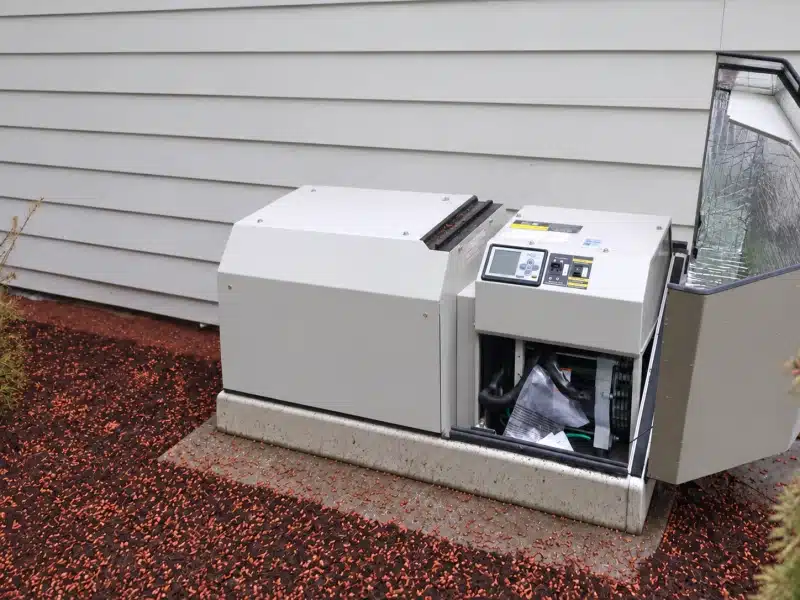
A safe generator setup helps to keep the power going when a power outage occurs and keeps electrical devices safe and prevents damage to the electric grid. Set-up for a backup power system involves creating a direct connection from the generator to your home's main electrical system, and ensuring that connection is isolated to prevent issues like back-feeding.
What Is Standby Generator Installation?
Standby generator installation requires the permanent installation of a backup power source unit outside the property and direct connection to the electrical service panel at the home.
Automatic Operation: The system automatically detects the incoming utility voltage and activates within seconds when that voltage is lost.
Continuous Supply: It is wired in to the permanent lines and is able to provide a supply of electricity without the use of human manpower.
Professional installation provides code compliance, meaning it complies with National Electrical Code (NEC) requirements and local permitting regulations.
Portable Generator vs. Whole-House Standby Generator
The decision between portable and whole-house systems hinges on backup expectations, preference and management of the system.
| Feature | Portable Generator System | Whole-House Standby System |
|---|---|---|
| Connection Method | Manual connection via inlet box and interlock/MTS | Hardwired permanent connection via ATS |
| Starting Mechanism | Manual pull or push-button start | Automatic startup via utility sensor |
| Circuit Coverage | Select critical loads or manage the panel manually | Critical branch circuits or entire home panel |
| Grid Isolation | Mechanical interlock kit or manual transfer switch | Automatic transfer switch (ATS) |
| Storage & Placement | Stored in a garage or shed and rolled outside during use | Permanently installed on an outdoor concrete pad |
Portable Generators: Portable generators are useful for budget friendly, targeted circuit protection when paired with mechanical interlock kits or manual transfer switches (MTS).
Whole-House Generators: Use an automatic transfer switch (ATS) that switches the whole house electrical load when the grid goes down.
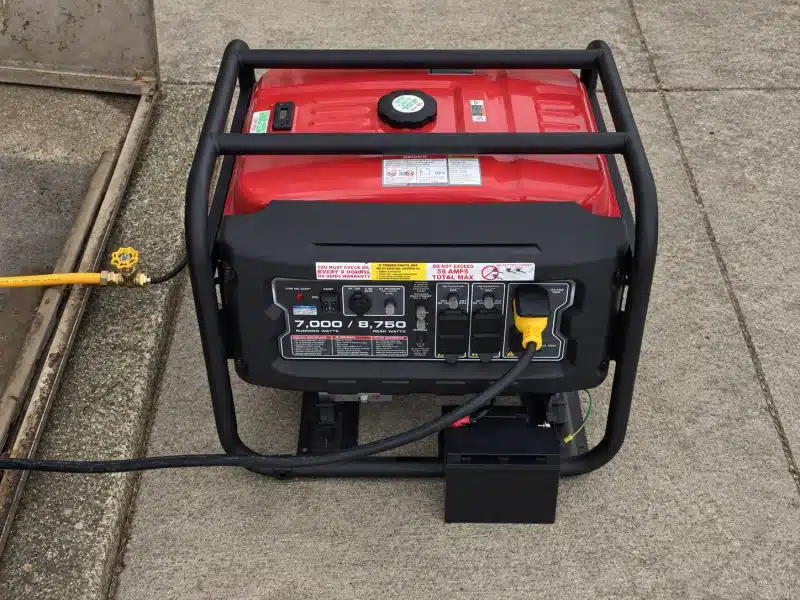
Key Components: Transfer Switch, Fuel Line, and Electrical Panel
Compliance and proper operation of a generator installation involves three major hardware components operating in unison:
Transfer Switch (or Interlock Mechanism):
Manual Transfer Switch (MTS) / Interlock Kit: Physically separates circuits or interlocks main utility breaker to prevent hazardous grid backfeed when manually switching.
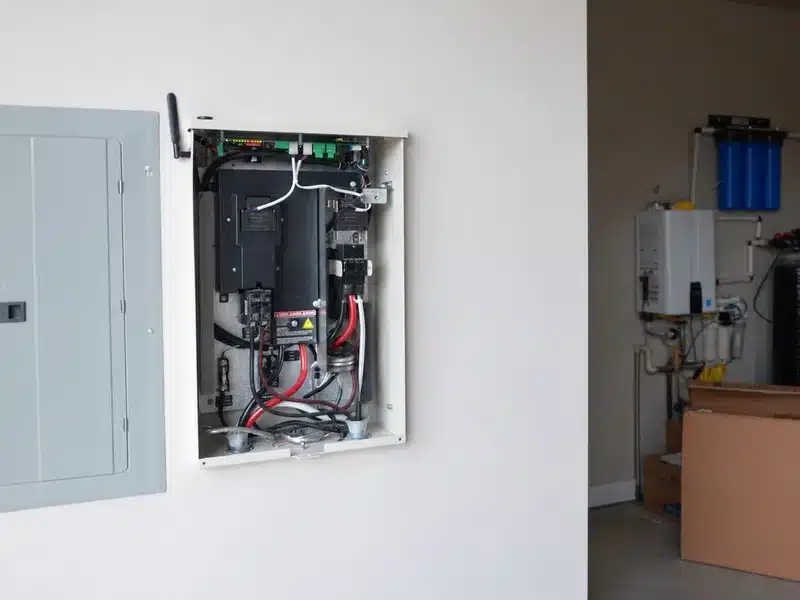
Automatic Transfer Switch (ATS): Monitors and automatically switches the power contacts to and from the grid based on the grid's health.
Fuel Line Infrastructure: Links the generator to a reliable fuel source, such as natural gas or dedicated liquid propane tanks, or diesel reserves to ensure continuous operation.
Main Electrical Panel: Provides a path to designated branch circuits and controls residential loads as the generator can safely power.
How Much Does Generator Installation Cost?
The costs of a backup power system include the way the system is connected to your electrical service. Backfeeding from a generator or battery storage system into the utility grid is a potentially dangerous situation that needs to be isolated with the proper safety equipment when connecting a generator or battery storage system to a panel. The cost of the hardware – mechanical interlock kit, manual transfer switch or a smart automated panel – influences the budget.
Average Generator Installation Costs
This is split between the equipment and certified electrical labor for installation. A safe connection method provides an NEC-compliant connection and helps safeguard power-line workers during an outage.
| Connection Setup | Hardware Type | Labor Complexity | Overall Cost Level |
|---|---|---|---|
| Interlock Kit Setup | Mechanical lockout plate, inlet box, and breaker | Low to moderate: panel fitting and inlet wiring | Budget-friendly |
| Manual Transfer Switch (MTS) | Dedicated 6–10 circuit subpanel and inlet box | Moderate to high: individual branch circuits must be rewired | Mid-range |
| Smart / Automatic Transfer Switch | Intelligent panel or ATS module with battery/generator integration | High: full subpanel integration and digital controls | Premium |
Note: Please be aware that the costs listed above represent a general range for connections and are subject to change based on individual project requirements and provider availability.
Interlock Kit Installation – this is the most cost effective. All the hardware required is a basic metal sliding bracket, a special circuit breaker and an external power inlet box. Labor is simple because no individual household circuits need to be rewired.
Manual Transfer Switch Installation: This type of installation involves a separate sub-panel, which is hardwired to certain essential circuits (like a refrigerator, well pump, or medical equipment). The hardware is more expensive, and labour is more expensive because of circuit-by-circuit moves.
Smart Home Panel / ATS Systems: This type of system includes intelligent transfer panels and requires a greater initial investment. They feature automated switching, remote energy management, and easy integration with portable power stations or home battery systems.
Key Factors Affecting Total Installation Price
There are certain key variables that will affect your final project invoice:
- Cost of Hardware and Isolation Mechanism: A mechanical interlock bracket is much less expensive than a pre-wired multi-circuit subpanel or an automatic transfer switch with built-in power meters.
For example, if your main service panel doesn't support an interlock plate or is older, it may need to be upgraded or a subpanel installed prior to installation.
- Distance to the Power Inlet: The longer the distance between an exterior generator inlet box and an interior electrical panel, the more it costs to install heavy gauge copper wires to connect the two locations.
Labor and Permitting: All code compliant installation must be done by a licensed electrician to obtain necessary permits, proper grounding and isolation of utility lines. Rewiring several branch circuits will take more billable hours than the mechanical plate will.
Choosing the Right Location and Generator Size for Your Home
The safety, efficiency and overall performance of your generator installation depends on proper placement and accurate sizing. It is always recommended to place the unit on a flat, well-drained surface, always away from a window, door or a fresh air intake, so that exhaust fumes do not enter living areas. Keeping the generator reasonably close to your main electrical panel and fuel supply minimizes wiring runs, voltage drop, and installation labor costs.
How to Calculate Your Home's Power and Sizing Needs
When sizing your backup system, you determine your power requirements by dividing your power into "Starting watts" (surge power) and "Running watts" (continuous power). You can optionally back up critical branch circuits or the full electrical panel either with an interlock kit to manually manage flexibility or a dedicated transfer switch.
List Essential Loads: Identify appliances that are essential to using during a power outage, such as refrigerators, freezers, sump pumps, well pumps, heating systems and medical equipment.
Motor-driven appliances need to draw two to three times their normal wattage in order to start up.
Determine Panel Capacity - Know the output of the generator and the load capacity of the main service panel or selected subpanel circuits.
| Appliance / Load Type | Typical Running Watts | Approximate Starting Watts |
|---|---|---|
| Refrigerator / Freezer | 600–800 W | 1,200–2,000 W |
| Sump Pump (1/2 HP) | 800–1,050 W | 1,500–2,150 W |
| Central Air Conditioner (3 Ton) | 3,000–3,500 W | 6,000–9,000 W |
| Lighting & Electronics | 500–1,000 W | 500–1,000 W |
Fuel Source Options: Natural Gas, Liquid Propane, and Diesel
Fuel choice dictates operational time, maintenance requirements, and site preparation.
Natural Gas (NG): Directly operated from municipal utility lines. Offers continuous fuel provision in emergency situations without the need for manual refueling.
Liquid Propane (LP): Propane is stored in on-site tanks and will not degrade for years, making it an excellent choice for rural areas where utility gas lines are not available.
- Diesel: Diesel systems are known for their fuel efficiency and heavy-duty capabilities, offering reliable power but needing regular fuel maintenance to avoid fuel contamination.
Battery & Solar Generator Alternatives: Clean power stations provide an indoor-safe, zero-emission power source, allowing for seamless power switching with standard transfer devices or smart panels.
Step-by-Step Generator Installation Process
A generator installation must be mechanically positioned, code compliant and safely connected to your home wiring. A definite process is followed to ensure that all components operate safely when a power failure occurs.
Preparing Your Home Site and Concrete Pad
Physical installation site must be selected and prepared before any equipment is mounted:
Site Selection: Locate the unit outside and away from doors, operable windows, and vents where exhaust could enter.
Pad Installation: Use a flat, reinforced concrete pad, or a heavy-duty pre-formed composite pad to act as a foundation for the equipment weight, to absorb operating vibration, and to provide a platform for the machinery to sit above pooling water.
Access Clearance: Allow for adequate clearance around the system for maintenance, inspection access and routing of electrical conduit.
Connecting Electrical Systems and Transfer Switch
Most importantly, the electrical connection is the most critical stage of the generator installation, which must be fully isolated from the utility grid to avoid any potential back feeding hazards.
| Connection Method | Hardware Mechanism | Circuit Control |
|---|---|---|
| Mechanical Interlock Kit | Sliding metal lockout bracket on the main panel | Powers any circuit manually up to generator capacity |
| Manual Transfer Switch (MTS) | Dedicated subpanel with circuit toggles | Hardwired to pre-selected critical circuits |
| Automatic Transfer Switch (ATS) | Relay-based automated switching module | Automates whole-home or prioritized circuit transfer |
| Smart Home Panel | Intelligent electronic transfer system | App-managed load balancing and system control |
Conduit and Inlet Wiring: Use heavy-gauge wiring that is installed in weather-tight conduit and connected directly from the outdoor generator inlet box to the main electrical panel or transfer subpanel.
Isolation Hardware Setup: Install the chosen transfer switch or mechanical interlock plate to ensure that the utility breakers and generator breakers do not engage simultaneously.
Circuit Integration: Wire specific branch circuits (such as refrigeration, sump pumps, and lighting) to the transfer switch subpanel, or configure panel-wide access via an interlock setup.
Hooking Up Fuel Lines and Commissioning the Unit
The final phase involves putting the system online by safely integrating fuel supply and comprehensive testing:
Line Connections: Fuel lines or power input lines should be fastened securely with fuel fittings, shut-off valves, and fuel connectors that conform to stringent safety requirements.
Safety & Grounding Checks: Ensure electrical grounding, breaker sizing and polarity conform with National Electrical Code (NEC) and local utility regulations.
Simulate a complete power outage by disconnecting the main utilities (System Commissioning). Before reconnecting to the utility, you test the transfer switch to ensure it moves the power over correctly, the voltage stabilizes and important circuits in the house are functioning when they are under load.
Top Generator Brands for Professional Installation
The selection of the right equipment is a very important first step to a successful generator installation. Each manufacturer has a different electrical architecture, transfer switch and fuel requirement. Below is an overview of the top standby brands available today and the things to anticipate when they are installed.
Generac Generator Installation
Generac is one of the most recognizable names in residential backup power. They are designed to be easily integrated with current electrical panels in homes.
- Transfer Switch Pairing: Most Generac installations use their own automatic transfer switch (ATS) systems, which are programmed to communicate directly with the generator controller to automatically handle the electrical loads during an outage.
The Smart Monitoring feature is usually built into the Generac unit and lets homeowners and installers monitor the system, battery status and scheduled exercise cycles from a remote location via Wi-Fi.
- Installation efficiency: Parts and compatible transfer hardware are readily available and allow licensed electricians to install a typical Generac connection with little custom wiring, allowing for a predictable labor time.
Kohler Whole-House Generators
Kohler is known for durability in the commercial sector, and their high-end residential standby units are designed to power heavy loads without voltage fluctuations.
Power Quality: Kohler's units come with advanced voltage regulation capabilities, making them a great option for households with sensitive electronics, intricate HVAC systems, or smart home technologies.
Corrosion-Resistant Enclosures: These units are manufactured with top quality outdoor enclosures and are perfect for extreme weather, coastal regions or harsh climates.
Transfer Switch Flexibility: Kohler has automatic transfer switches that move power quickly from one source to another, with minimal impact on household appliances.
Briggs & Stratton Standby Systems
Briggs & Stratton offers a wide variety of heavy-duty backup power products with a reputation for their smart power management technology.
Briggs & Stratton transfer switches also use Intelligent Power Management to take smaller kilowatt generators and enable them to run high-demand appliances by controlling load sequencing to avoid system overloads without an oversized generator.
- Compact Size: These units are frequently smaller in size and can fit into smaller yard areas, or be installed closer to existing utility connections, while meeting local clearance requirements.
Commercial Grade Engines: They use durable engines to ensure performance during long utility outages and work well with both natural gas and liquid propane.
| Brand | Key Advantage | Best Suited For | Power Management Style |
|---|---|---|---|
| Generac | Broad availability and smart monitoring | Standard residential homes | Integrated ATS load shedding |
| Kohler | High power quality and durable casing | Homes with sensitive electronics | Fast-response automated switching |
| Briggs & Stratton | Compact design and smart load prioritization | Properties with space constraints | Active multi-load management |
DIY vs. Professional Generator Installation
The idea of taking on a backup power project on your own may sound like a practical way to save money, but high-voltage systems must be installed in accordance with safety code. Installing the generator outside on a flat surface is easy, but connecting the generator straight to your home's electrical panel is not something you can do on a weekend. The decision between a DIY project and a certified professional installation is all about code compliance, safety and equipment lifespan.
Safety Risks
Household and community hazards from improper generator installation are serious and life-threatening:
Electrical Backfeeding is a condition where power is sent "backward" over utility lines from a backup power source without a backup approved isolating device. This poses an immediate and fatal electrocution hazard for utility line personnel working on outages.
Short circuits, overloads and electrical fires result from improper wiring gauge or a mismatch of breakers in your service panel or from loose connections.
Carbon Monoxide Buildup: Improper location near doors, windows or vent inlets leads to hazardous exhaust fumes getting into the living area.
Code Violations and Insurance Invalidation: Electrical changes that are not permitted and do not meet NEC standards can cancel out your homeowner's insurance policy if an electrical fire occurs.
| Installation Risk Factor | DIY Setup | Professional Installation |
|---|---|---|
| Grid Isolation Guarantee | High risk of improper lockout or backfeeding | Certified interlock or transfer switch installation |
| NEC & Local Code Compliance | Frequently non-compliant without permits | Fully permitted, inspected, and code-certified |
| Electrical Panel Safety | Potential wire overheating and breaker mismatch | Proper load calculations and dedicated breakers |
| System Warranty Protection | Often voided by unauthorized self-installation | Full manufacturer warranty protection maintained |
When to Hire a Licensed Electrician and Plumber
Some parts of the installation do require licensed trades to ensure safety and compliance with regulations:
If you need to install mechanical interlocks or transfer switches, be sure to have a licensed electrician do the job for you, as any work within your main service panel should be done by an electrician.
Modern clean energy solutions like portable power stations with smart home panels for energy distribution involve complex circuit rewiring and sub-second switching requirements, tasks best left to certified technicians.
If your setup requires permanent natural gas or liquid propane lines, a licensed plumber or certified gas technician needs to run the gas lines, check pressure ratings and test for leaks.
- Permitting and Municipal Inspections: Professional contractors handle the need to get the required local building permits and to set up the appointments for city inspections to ensure your setup complies with regional electrical and safety codes.
Conclusion
When it comes to generator installation, it's a matter of weighing your budget, convenience and safety requirements against one another. If you're installing an interlock kit or a transfer switch, the main thing is to make sure they are installed in a way that eliminates any possibility of backfeeding.
If you'd like a low-maintenance solution where you can turn power on and off within your electrical panel manually, select Interlock Kit.
For more isolated circuits for critical appliances or hands-off automation of an Automatic Transfer Switch (ATS), Choose a Transfer Switch.
For hassle-free compatibility with advanced battery storage, solar generators, and smart app-based load management, explore Smart Home Panels.
For those who are not professionals, I strongly recommend spending a small amount of money to Work with a licensed electrician to keep your home safe and compliant.
Frequently Asked Questions About Generator Installation
How long does a home generator installation take?
The installation timeline for a generator varies based on the type of isolation and system you select:
Installation of the Interlock Kit & Power Inlet Box typically requires a licensed electrician and takes 2 to 4 hours to install the plate, install a dedicated breaker, and wire the outdoor inlet.
- Manual Transfer Switch (MTS): Usually 4-8 hours to take each critical circuit to a separate subpanel.
Often requires one to two days to complete electrical integration, sensor wiring and full system commissioning as part of Automatic Transfer Switch (ATS) & Whole-Home Setups.
Do I need a permit to install a home backup generator?
Yes. Any direct connection to your home’s electrical service panel requires building and electrical permits. To eliminate backfeeding risks to utility workers, the National Electrical Code (NEC) standards require proper grid isolation through a mechanical interlock kit, transfer switch or a certified smart panel. A licensed electrician will pull the necessary local permits and schedule the final electrical inspection.
How often does a backup generator need maintenance?
To ensure reliable operation during sudden power outages, follow this basic schedule:
Bi-weekly / Monthly: Conduct a short test cycle (or use automated system self-tests) to ensure that the system is ready and to confirm the transfer mechanism is functioning.
Semi-annually: Check mechanical interlock sliding bracket or transfer switch subpanel connections for wear, dust, or loose connections.
- Annually - Schedule a complete inspection by a certified technician to test full load transfers, battery health (on smart systems), and code-compliant grounding.
What should I consider before installing a Generac 26kW generator?
Installing a Generac Guardian 26kW standby generator is a massive upgrade for whole-home backup power, but it requires careful site, fuel, and electrical planning.
What are the common steps involved in installing a Generac generator?
Installing a standby Generac home backup generator is a comprehensive, multi-trade project involving site planning, concrete work, heavy electrical wiring, and gas line installation. Because it deals with high voltage and hazardous gases, it typically requires local building, electrical, and plumbing permits.
What should I consider when installing a commercial generator?
Installing a commercial generator is a major investment that requires careful planning to ensure safety, reliability, and code compliance. Key Considerations:
- Power Capacity & Sizing: Accurately calculate your facility's total energy demand, keeping "peak demand" and motor-starting loads in mind. An undersized generator will fail under heavy loads, while an oversized unit wastes capital.
- Fuel Source: Decide between diesel, natural gas, or propane. Natural gas hooks directly into municipal lines (no on-site storage needed), whereas diesel requires dedicated storage tanks and routine fuel management.
- Location & Placement: The site must allow for proper ventilation, safe exhaust routing away from windows and air intakes, and a stable concrete pad. Accessibility for maintenance crews and fuel delivery trucks is also essential.
- Automatic Transfer Switch (ATS): An ATS detects a grid failure and automatically switches your building over to generator power without requiring manual intervention.
- Permits & Local Codes: In the United States, commercial installations must comply with the National Electrical Code (NEC), EPA emission guidelines, local zoning laws, fire safety codes, and noise ordinances. Permitting typically involves electrical, mechanical, and environmental approvals.
- Noise Mitigation: Commercial generators can be loud. Depending on your proximity to neighbors or local ordinances, you may need a sound-attenuated enclosure.
